Travel blog
Guba Travel Guide: Things to Do, Where to Stay, Transport and Costs
A practical guide to Guba sights, accommodation, transport, food, budgets and itineraries.
Contents
About Guba
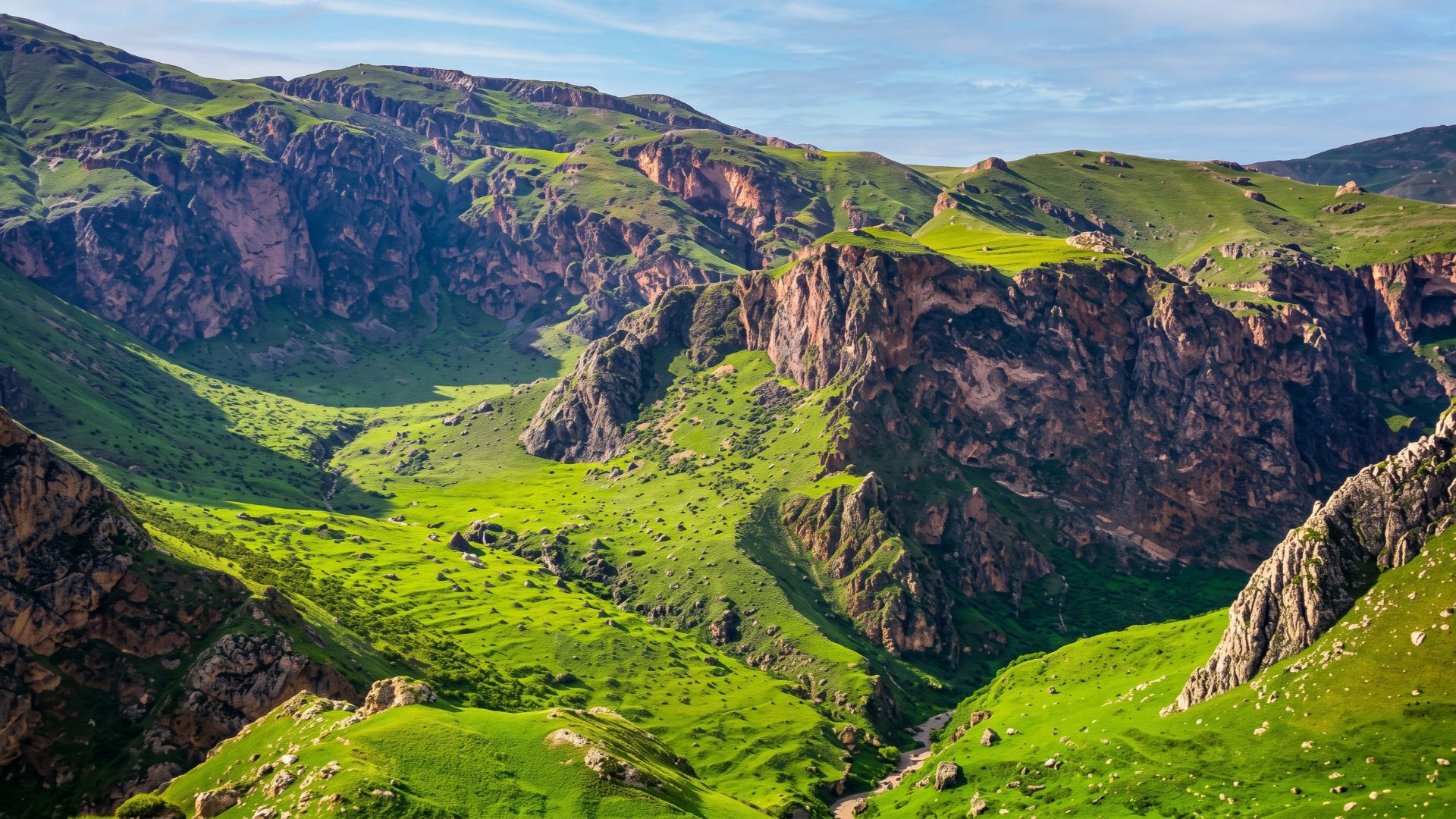
Guba is one of Azerbaijan's best-known travel destinations, set on both banks of the Gudyalchay River on the northeastern slopes of the Greater Caucasus. The historic capital of the eighteenth-century Guba Khanate is known for its carpet-weaving tradition, dense forests, apple orchards and mountain landscapes.
The district also stands out for its cultural diversity. The Red Village is a historic settlement of Mountain Jews, while Khinalig is a high-mountain community with its own language and centuries-old traditions. Griz, the forests of Gechresh, Tangialti Canyon and Afurja Waterfall make Guba equally attractive for culture and nature trips.
| Information | Details |
|---|---|
| Region | Guba–Khachmaz region, northeastern Greater Caucasus |
| Distance from Baku | Approximately 168 km |
| Travel time | About 2–2.5 hours, depending on transport |
| Elevation | About 600 m in the center; 2,000–2,350 m around Khinalig and Griz |
| Best time to visit | May–October; January–February for frozen waterfalls near Griz |
| Recommended stay | At least 2 days; 3 days for a fuller trip |
| Currency | AZN (Azerbaijani manat) |
| Languages | Azerbaijani, Tat and Khinalig; Russian is also widely understood |
| Emergency numbers | 103 ambulance · 101 fire · 102 police |
Prices in this article are estimates for September 2026 and may change with the season and public holidays.
Why Visit Guba?
Guba is close enough to Baku for a weekend yet varied enough to combine a city walk, forest lunch and high-mountain village in one journey. You can explore synagogues in the Red Village, drink samovar tea under the trees in Gechresh and spend the next morning above the clouds in Khinalig.
The destination is popular, so accommodation in Gechresh and tours to Khinalig can fill quickly on summer weekends. Mountain attractions lie in different directions and public transport between them is limited; plan the order of your route before arrival.
- Best for: Families, nature and food travelers, photographers, hikers and visitors interested in living cultural traditions.
- Less suitable for: Travelers expecting all mountain sights to be within walking distance or attempting winter mountain roads without suitable transport.
Where Is Guba?
Guba lies in northeastern Azerbaijan, north of Baku and close to the foothills of the Greater Caucasus. Khachmaz and the Caspian coast are to the northeast, Gusar and Shahdag to the northwest, and Shabran to the southeast.
The city center sits near 600 m above sea level, while Khinalig and Griz rise above 2,000 m. This elevation difference means a warm day in the city can become cold and windy in the mountains.
How to Get from Baku to Guba
| Transport | Price per person | Travel time | Best for |
|---|---|---|---|
| Car ride through Gezz | About 8–14 AZN | 2–2.5 hours | Comparing driver-posted departure times, prices and available seats |
| Intercity bus | About 7–10 AZN | 2.5–3 hours | A low-cost scheduled option |
| Shared taxi | About 15–20 AZN | 2–2.5 hours | Flexible departure when seats fill |
| Private car | About 22–30 AZN in fuel and road costs | 1.5–2 hours | Exploring Gechresh and mountain routes independently |
Road note: The modern Baku–Guba highway makes the trip straightforward. If you continue toward Khinalig, check mountain weather and road conditions separately.
When to Visit Guba
| Period | Conditions | Main reason to visit |
|---|---|---|
| March–April | Changeable, cool and often rainy | Quiet cultural trip and early spring scenery |
| May–June | Green forests and mild weather | Gechresh, hiking and village excursions |
| July–August | Warm center, cooler mountains and busy weekends | Family holidays and highland trips |
| September–October | Comfortable temperatures and harvest season | Apple orchards, autumn colors and photography |
| November–February | Cold; snow and ice in the mountains | Winter landscapes and frozen waterfalls with suitable transport |
In short: May–June and September–October are the easiest periods for combining the city, forests and mountain villages.
Where to Stay in Guba
| Accommodation | Nightly price for 2 | What to expect |
|---|---|---|
| City hotel | 45–90 AZN | Central location and easy access to museums and restaurants |
| Gechresh cottage or A-frame | 90–220 AZN | Forest setting, terrace and family facilities |
| Guesthouse in Khinalig or Griz | 35–70 AZN | Simple rooms, home cooking and local hospitality |
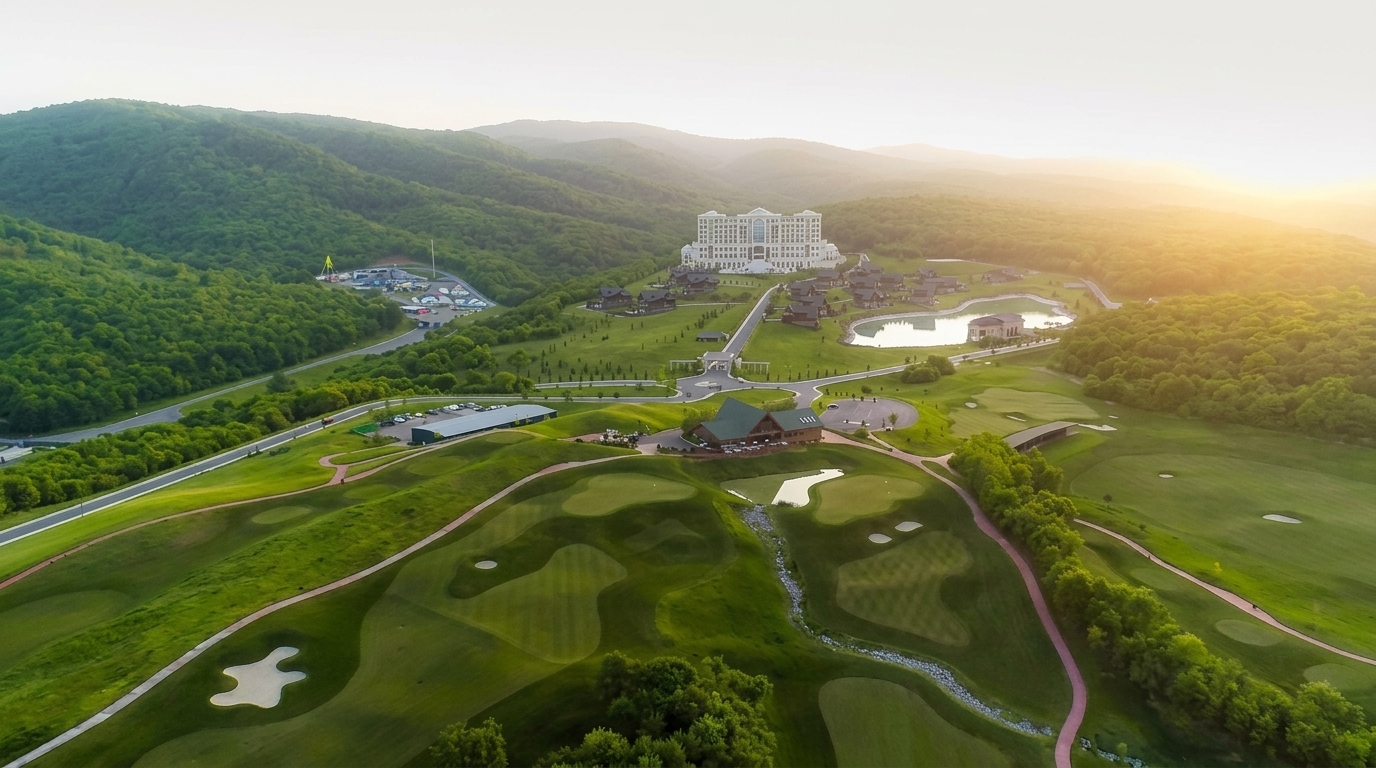
| Upscale resort | 160–350+ AZN | Spa, pool, restaurant and organized activities |
Stay in the city center for the Red Village and urban sights, choose Gechresh for forest views and family relaxation, or book a mountain guesthouse for an early hiking start. Reserve popular cottages ahead for summer weekends and public holidays.
Things to See and Do in Guba
1. Red Village and the Museum of Mountain Jews
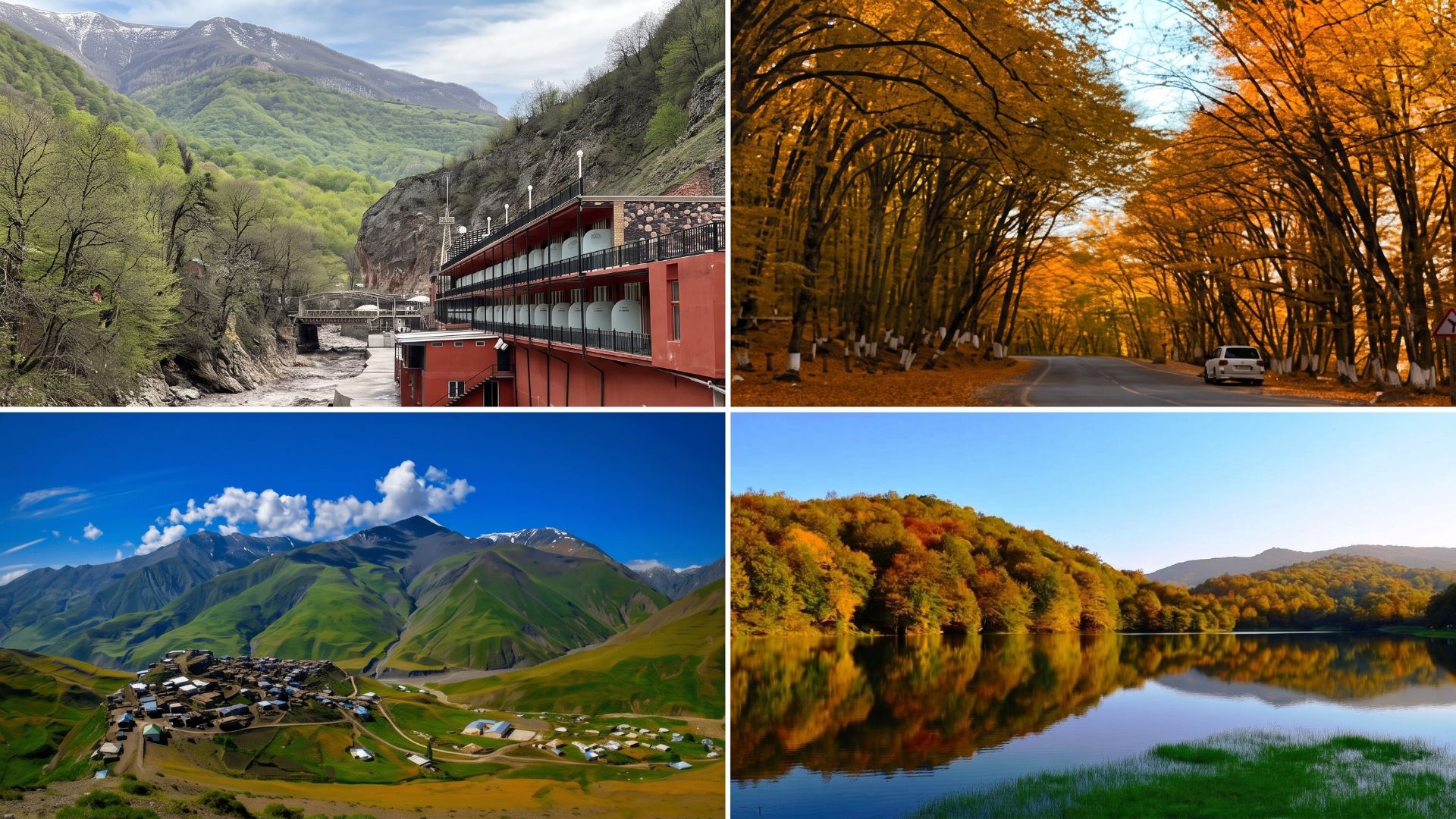
Cross the Gudyalchay bridge to explore historic synagogues, red-roofed houses and the museum presenting the community's heritage.
2. Arched Bridge and Nizami Park
The nineteenth-century brick bridge and riverside park offer an easy walk with views toward the city and the Red Village.
3. Juma Mosque and Sakina Khanum Mosque
These landmarks reflect Guba's religious architecture through distinctive brickwork, domes and historic interiors.
4. Guba Genocide Memorial Complex
The museum and memorial document the events of 1918 through archival material and a striking architectural composition.
5. Gechresh Forest and the Gudyalchay Valley
Gechresh is popular for shaded walks, riverside recreation, samovar tea and family restaurants in a dense beech forest.
6. Khinalig Village
At roughly 2,300 m, Khinalig is known for stone houses, dramatic mountain roads, a distinct language and long-standing pastoral traditions.
7. Griz and Gur-Gur Waterfall
The route combines a high-mountain village with a waterfall that can freeze into impressive ice formations in winter.
8. Tangialti Canyon and Valvalachay
Rock walls, river scenery and hiking routes make this an attractive stop for active travelers. Wear suitable footwear and avoid entering narrow sections during unsafe weather.
9. Afurja Waterfall
One of the region's best-known waterfalls, Afurja is reached by road followed by a short walk; conditions can be slippery after rain.
10. Carpet Workshops
Local workshops preserve the Guba carpet school's geometric patterns and natural-color traditions. Ask permission before photographing artisans at work.
Lesser-Known Places in Guba
- Jek village: A remote settlement with stone houses and distinctive local traditions.
- Khaltan sulfur springs: Mineral springs reached along rural mountain roads.
- Budug village: A historic highland community with panoramic scenery.
- Bostankesh Canyon: A quieter landscape for experienced hikers and local-guide trips.
- Gonagkend: A mountain settlement surrounded by river valleys and forested slopes.
Road quality and mobile coverage can vary. Use a high-clearance vehicle where necessary and confirm local conditions before departure.
Guba Itineraries
One day: City and forest
- 09:00 Arrive in Guba and walk through the center
- 10:00 Juma Mosque, Nizami Park and the Arched Bridge
- 11:30 Red Village and the Museum of Mountain Jews
- 14:00 Lunch and a forest walk in Gechresh
- 17:30 Buy local apples or baklava and return to Baku
Two days: Recommended weekend
- Day 1: City center → Red Village → memorial complex → Gechresh → overnight in the city or forest
- Day 2: Tangialti Canyon → Khinalig → village lunch and viewpoints → return to Baku
Three days: Mountains and waterfalls
- Day 1: Historic Guba, Red Village and Gechresh
- Day 2: Full-day Khinalig route
- Day 3: Choose Griz and Gur-Gur Waterfall or Afurja and nearby villages, then return to Baku
What to Eat in Guba
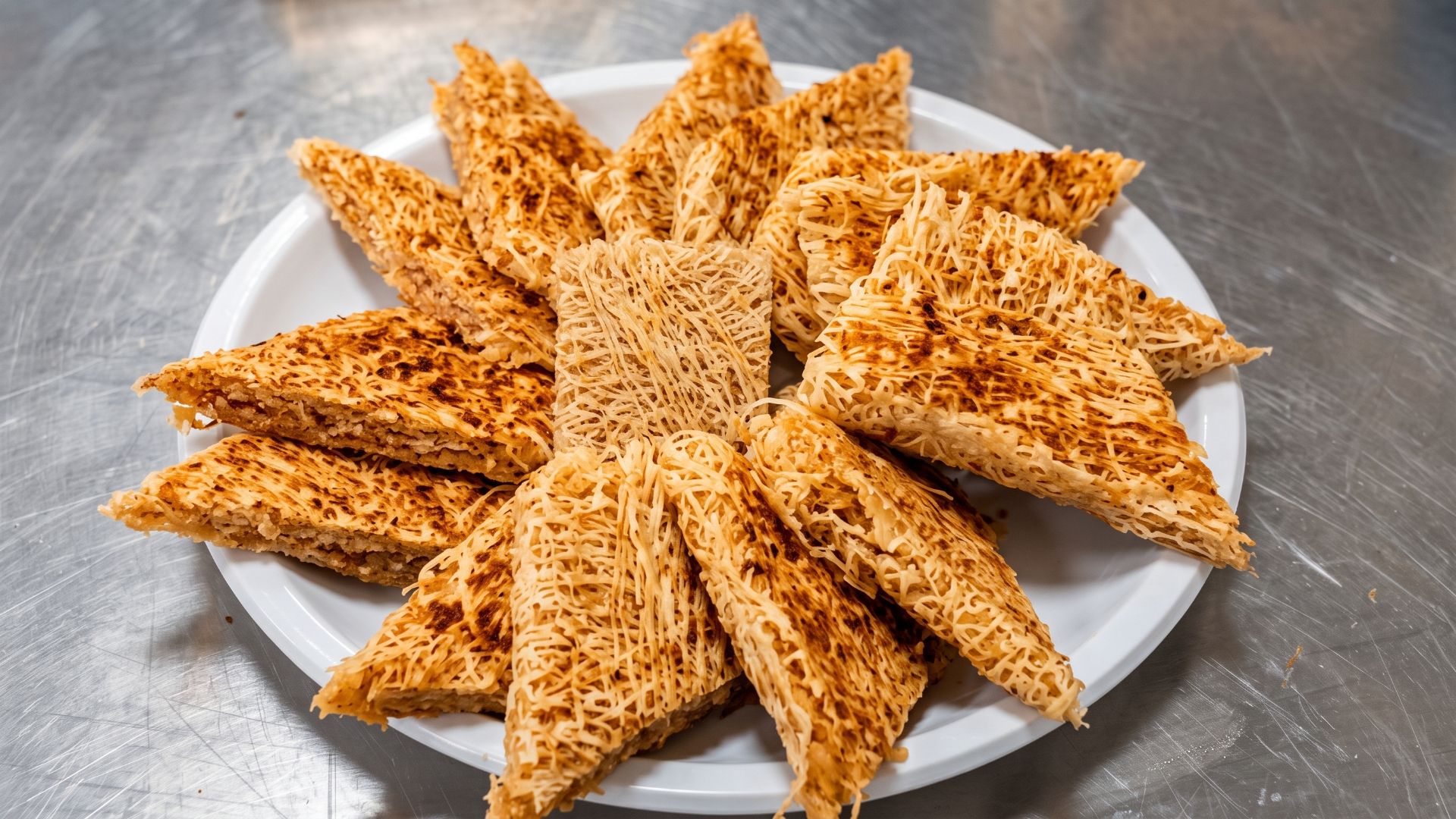
- Guba pakhlava and bukma: A delicate rice-flour lattice layered with walnuts, saffron and syrup. (About 14–22 AZN per kg)
- Guba govurma and mountain lamb saj: Tender lamb cooked with local butter and served with tandoor bread. (About 22–38 AZN)
- Kalajosh: Yogurt, dried meat, beans and pieces of lavash in a traditional mountain dish. (About 7–12 AZN)
- Village chicken chigirtma: Chicken cooked with tomato, egg and butter. (About 14–22 AZN)
- Guba apples and natural apple juice: Look for seasonal fruit from roadside orchards and the local market.
- Thyme samovar tea: Commonly served with walnut, white-cherry or hazelnut preserves.
Meals in central restaurants generally cost around 15–25 AZN per person; forest restaurants in Gechresh may be slightly more expensive.
Getting Around Guba
The center and the Red Village are comfortable to explore on foot, but natural attractions are spread across the district.
- Local taxi: Short city rides are commonly 3–5 AZN; Gechresh about 7–12 AZN. Agree on a round-trip price for distant sights.
- 4x4 with a local driver: A Niva or UAZ is useful for difficult village roads; full return trips may cost about 80–130 AZN.
- Private car: The most flexible option. Fill the tank before mountain routes and check clearance, tires and weather.
How Much Does a Guba Trip Cost?
Estimated cost per person for a two-day trip:
| Expense | Solo traveler | 2 people | 4 people |
|---|---|---|---|
| Return transport | 16–25 AZN | About 22 AZN each by car | About 11 AZN each by car |
| Local transport | 45–75 AZN by taxi | About 12 AZN each for fuel | About 6 AZN each for fuel |
| One night's accommodation | 50–130 AZN | 30–75 AZN each | 18–45 AZN each |
| Food and tea | 35–70 AZN | 35–70 AZN each | 35–70 AZN each |
| Museums and local products | 20–45 AZN | 20–45 AZN each | 20–45 AZN each |
| Estimated total per person | 170–350 AZN | 120–225 AZN | 90–180 AZN |
Useful Information for Guba
- Cash: Cards work in most central hotels, supermarkets and fuel stations. Carry 50–100 AZN in cash for villages, roadside sellers and some forest cafés.
- Fuel: Fill up in Guba before driving toward Khinalig, Griz or Afurja.
- Clothing: Mountain villages may be 8–12°C cooler than the city. Bring a warm layer and sturdy shoes even in summer.
- Mountain roads: Fog, rain, snow and ice can change conditions quickly. An experienced local driver is useful in poor weather.
- Seasonal shopping: September and October are ideal for apples, walnuts, thyme and fruit lavash.
Where to Go After Guba
- Gusar and Shahdag — about 15 km to Gusar; mountain activities, Laza waterfalls and Lezgi cuisine.
- Khachmaz and Nabran — roughly 45–60 km; Caspian beaches and relict forests.
- Shabran, Galaalti and Chiraggala — around 55 km; fortress history, mineral water and mountain views.
- Khizi and Altiaghaj — around 90 km; colorful mountain landscapes and forest recreation.
Frequently Asked Questions
1. How far is Guba from Baku, and how long does the journey take?
The distance is approximately 168 km. A car journey usually takes 1.5–2 hours on the modern highway, while a bus commonly takes 2.5–3 hours.
2. How many days should I allow for Guba?
Two days are suitable for the center, Red Village and Gechresh. Allow three days to add Khinalig, Griz or Tangialti Canyon.
3. Can I drive a regular car to Khinalig?
The road is paved and can usually be driven in a regular car during dry summer and autumn weather. It is steep and winding; use extra caution and choose a 4x4 in snow.
4. Where should I buy Guba apples and pakhlava?
Buy freshly made pakhlava from specialist shops in the center, and apples from local growers along the Gechresh road or the agricultural market.
5. Is Guba suitable for families with children?
Yes. Parks, forest cottages, riverside recreation areas and the relatively short journey from Baku make it a practical family destination.
6. Are bank cards accepted everywhere in Guba?
Cards are accepted in supermarkets, fuel stations and larger hotels in town. Carry cash for village businesses, fruit markets and some cafés in Gechresh.
Conclusion
Guba combines emerald forests, mountain rivers, historic neighborhoods, living village traditions and memorable local food. Plan transport and accommodation in advance, especially for the mountain routes, and the region can deliver a rich two- or three-day trip from Baku.
Author: Gezz · Published: 14.09.2026 · Last updated: 14.09.2026